I can't stop listening to Angine de Poitrine
2026-03-27 · 7 min read
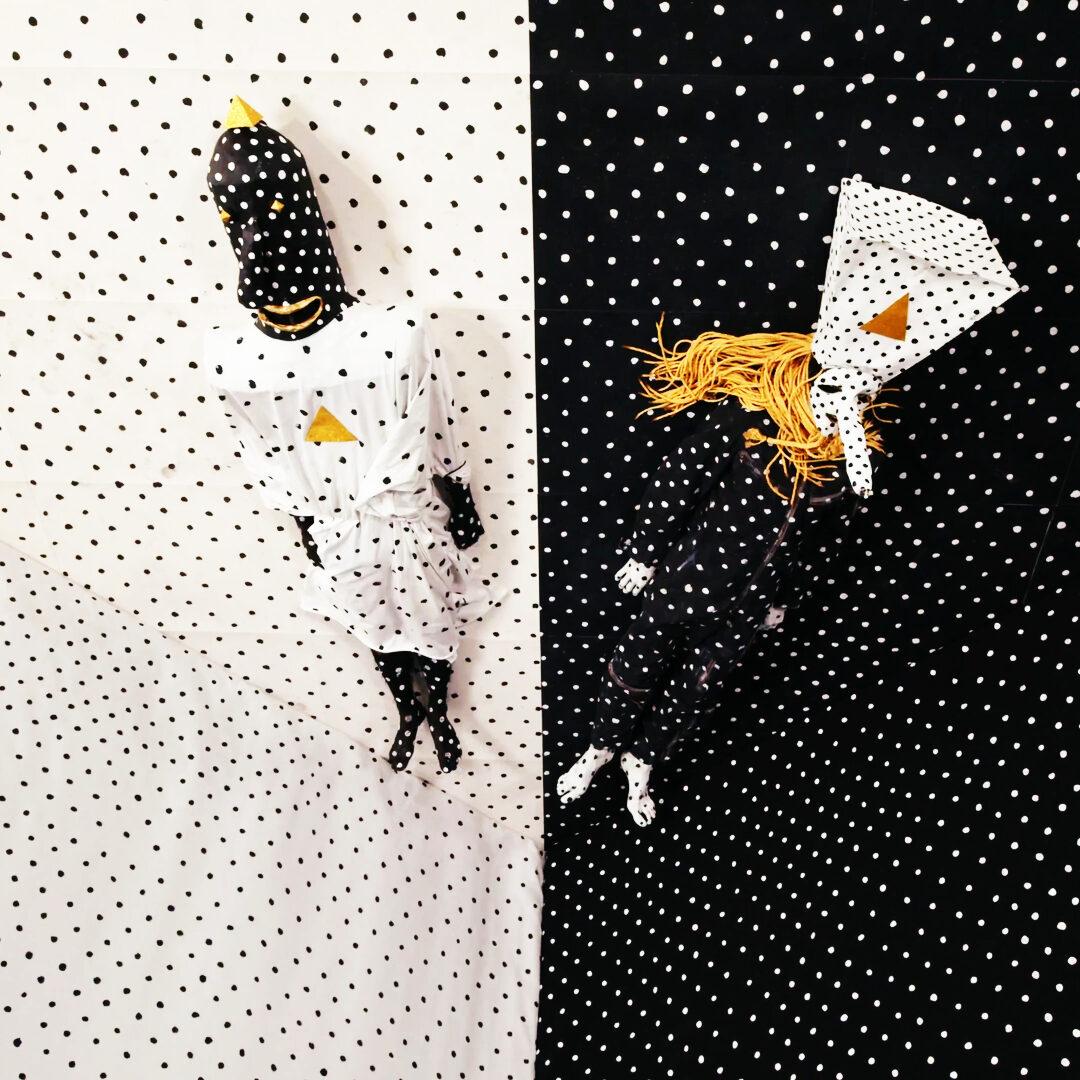
I can't stop listening to this band Angine de Poitrine.
The monoculture machine
There is a version of every song that the algorithm wants you to make. You can feel it if you've spent any time creating music in the streaming era, this gravitational pull toward the center of whatever is working right now, the tempo and the tone and the structure that the platform has already decided people want to hear. The feedback loop is immediate and it reshapes your instincts faster than you'd expect. You start hearing music the way the algorithm hears it, which is to say you stop hearing it as music at all and start hearing it as content.
The tension between making something authentic and making something that reaches people is not new. What's new is the scale and the speed of the feedback, and the way AI has collapsed the distance between an idea and a finished product to almost nothing. You can generate a track now that sounds like a track. It has the structure, the production quality, the emotional arc that a listener expects, and it exists because a model learned what listeners expect by consuming everything that came before it. The result is a kind of sophisticated average, and there is an enormous amount of it flooding every platform all the time. People call it slop, which is the right word, because it has the texture of something that was never meant to be eaten but merely to fill a space on the plate.
What the algorithm can't give you
In February, a KEXP session from the Transmusicales de Rennes festival started circulating online and picked up 2.6 million views in a matter of days. The band was Angine de Poitrine, a duo from Saguenay, Quebec. One of them plays a custom two-neck guitar with twice the normal number of frets, tuned to quarter tones that don't exist in standard Western music, running through a massive chain of effects and a looper that lets him layer bass and guitar lines on top of each other in real time. The other plays drums. They wear matching polka-dot outfits and masks. The name translates to chest pain.
A microtonal math rock duo in costumes playing instrumental music that sounds like Sun Ra sat in with a punk band is not what any recommendation engine on earth would surface for a casual listener. But you watch them play for ten seconds and you can feel that a human being is behind every single choice: the tuning, the costumes, the two-neck guitar that one of them literally built. Every weird, unmarketable, algorithm-hostile decision is evidence of a specific mind at work, and that evidence is what millions of people responded to. No tech company can prompt this into existence.
The joke that became the realest thing
The whole project started as a workaround. They were told they couldn't play the same venue two weeks in a row, so they put on costumes and came back under a different name. The joke turned into the most honest thing either of them had ever done. There's something in that transformation that matters beyond their specific story, something about how the removal of your public-facing identity can free you to be more yourself rather than less. I'd argue though that in this case the masks aren't for anonymity as much as they are for just having fun.
Sincerity as resistance
What Angine de Poitrine represents is proof that the monoculture is not as strong as it feels from inside it. The algorithm is a powerful force but it is not the only force, and the thing it is least equipped to produce is the thing people are hungriest for: specificity. A specific person making a specific choice that could only have come from them. That's what separates music from content, and no amount of AI-generated slop can simulate it, because simulation by definition converges on the general and specificity is the opposite of that.
The tools for making things have never been more powerful and the tools for distributing things have never been more sophisticated, and the result is a landscape so saturated with competent, frictionless, algorithmically optimized output that the only way to cut through it is to sound like you weren't trying to cut through it. To sound like you were trying to make something that mattered to you specifically, in a room, with your hands, for reasons that a dashboard could never capture.
Two guys in polka-dot masks built a guitar with too many frets and played notes that shouldn't exist and millions of people watched and felt something they hadn't felt in a long time. Someone on the other end of the screen was there, making decisions and risking the possibility that none of it would land.
There's a cultural tide turning here that goes beyond one band. For years the safest move online was ironic distance, never caring too much, never being caught trying. That era is ending, and you can feel it in the way people respond when someone cares about something fully and without apology, even if it's strange, even if it shouldn't work, even if it's the kind of thing that would have been called cringe five years ago.
Tolstoy wrote in What Is Art? that "the one great quality which makes a work of art truly contagious is its sincerity. If an artist is really actuated by a feeling, and is strongly impelled to communicate that feeling to other people — not for money or fame, or anything else, but because he feels he must share it — then he will not be satisfied till he has found a clear way of expressing it."